Article made by:

What Should a 4-Year-Old Know? Milestones and Pre-K Skills

Pre-school
Article made by:
Pre-school
Updated November 2026.
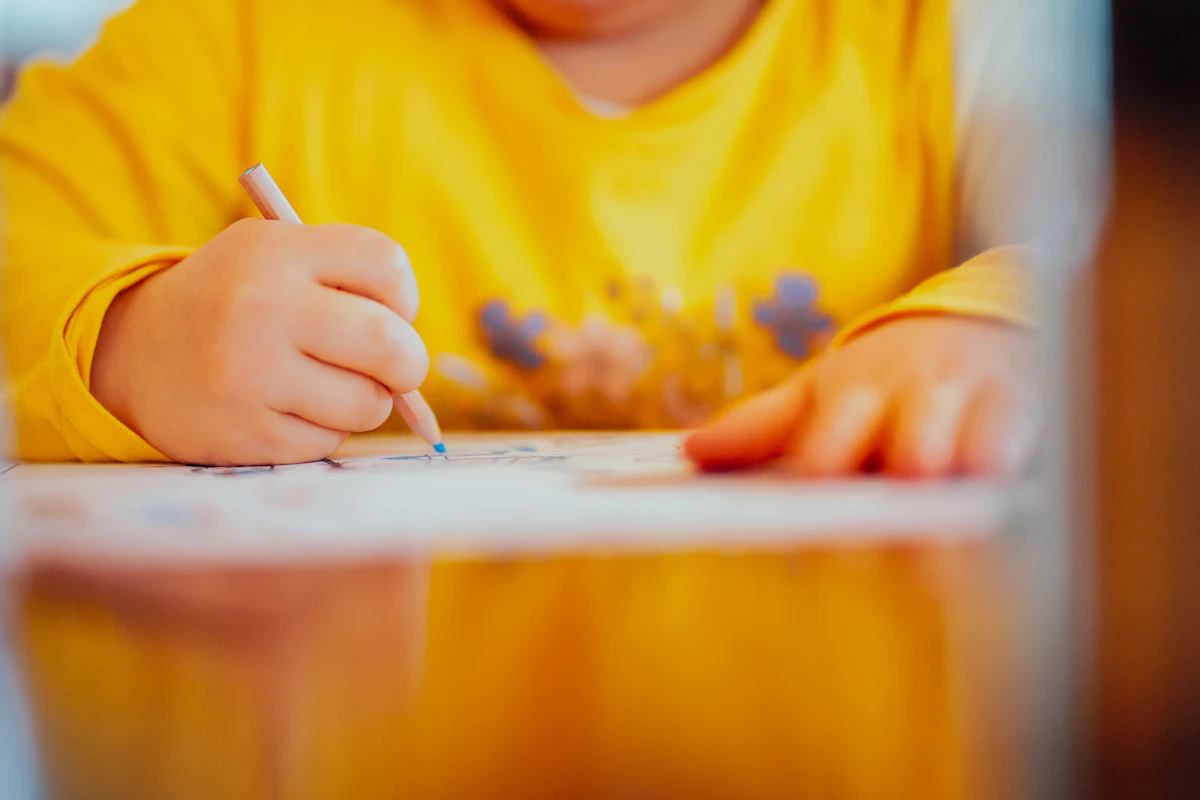
Most 4-year-olds talk in sentences of four or more words, tell you about their day, name a few colors, answer simple questions, draw a person with at least three body parts and hold a crayon with fingers and thumb. Letters, counting to 10 and writing their name are pre-K skills that many children learn between 4 and 5, so a 4-year-old who is still working on them is usually on track.
The CDC milestone checklist for 4 years lists what 75% or more of children do by age 4:
| Area | Most children by 4 years |
|---|---|
| Social and emotional | Pretends to be something else during play, like a teacher, superhero or dog; asks to go play with children when none are around; comforts others who are hurt or sad; avoids danger, like not climbing too high; likes to be a helper; changes behavior based on place, like a library or playground |
| Language | Says sentences with four or more words; says some words from a song, story or rhyme; talks about at least one thing that happened during the day; answers simple questions, like "What is a coat for?" |
| Thinking | Names a few colors; tells what comes next in a well-known story; draws a person with three or more body parts |
| Movement | Catches a large ball most of the time; serves themselves food or pours water with adult supervision; unbuttons some buttons; holds a crayon or pencil between fingers and thumb |
At 4, early academics start to show up, and the range is wide. The CDC 5-year checklist adds counting to 10, naming some numbers from 1 to 5, naming some letters, writing some letters in their name and recognizing simple rhymes. Those are the skills to build toward during the pre-K year.
A 4-year-old who knows a few colors, enjoys stories and can talk about their day is right where the CDC expects. Many 4-year-olds also recognize the letters in their name and count small groups of objects.
Illinois kindergarten teachers use the Kindergarten Individual Development Survey to observe each child during the first 40 days of school. It isn't a test. Teachers watch children during normal classroom routines, in areas that include approaches to learning and self-control, social and emotional development, language and literacy, and math.
That gives a good picture of what helps in the pre-K year:
See Pre-K Curriculum in Illinois: What Pre-K Kids Learn.
Four-year-olds play real games with friends, make up stories together and start to follow group rules. They notice when a friend is sad and may try to help. Arguments still happen. Coach your child to use words, take turns and find a fix together.
Talk with your pediatrician if your 4-year-old doesn't speak in sentences, is hard for others to understand, doesn't play with other children, can't follow simple directions, or has lost skills. Your school district also offers free developmental screening for children 3 to 5. See Free Preschool Screening in Illinois: How Child Find Works.
Most 4-year-olds name a few colors and tell what comes next in a familiar story. Counting to 10 and naming some letters are on the CDC checklist at 5.
Not yet for most. Writing some letters in their name is a 5-year milestone on the CDC checklist.
They use the Kindergarten Individual Development Survey, observing children during the first 40 days of school. It is not a test.
Following directions, taking turns, self-care, listening to stories, early letter and number play, and handling frustration.
Our I Am Me Program is a pre-K program for children from 4 to 5 years old, with Winter and Summer shows each year. Children then move on to kindergarten, and our private kindergarten offers MAP testing twice a year and a 1:10 teacher-child ratio. Ask your location's director which programs it offers. Find a location or contact us.
Related reading: What Kids Learn in Kindergarten in Illinois.


