Article made by:

Open-Ended Questions During Preschool Read-Alouds

Pre-school
Article made by:
Pre-school
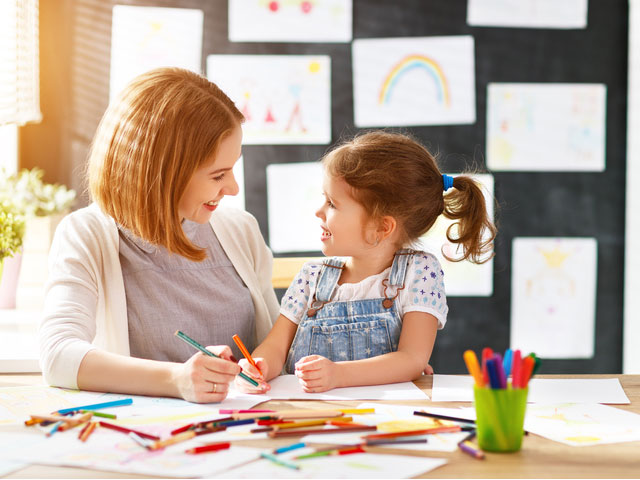
Open-ended questions during preschool reading invite more than one possible response. "What do you notice?" gives a child room to choose a detail. Used sparingly, questions can support conversation while preserving the pleasure of hearing a story.
Let the child understand the scene before asking about it. A prediction without any clues can feel like guessing what the adult wants. Point to the relevant picture when useful and allow time for a response.
Do not interrupt every page. Comments and quiet reading are also part of a shared book experience.
Respond to the child's actual answer rather than immediately replacing it with your interpretation. You can add information when the book provides it.
Share a brief thought of your own and invite the child to continue. If they prefer the next page, keep reading. A book does not need to become a long discussion every time.
Use the same approach with wordless books, familiar stories and family-language reading.
There is no required number. One useful exchange may fit better than a planned list.
Ask what they noticed. An unexpected idea may come from a real detail in the picture rather than misunderstanding the whole story.
For more about the age-based classroom, explore the Children’s Land preschool program and find a Chicagoland location. Bring your child’s interests and questions to a conversation about current routines and learning experiences.
Related reading: The Power of Storytime in Preschool: Building Vocabulary and Imagination.


