Article made by:

Parallel Talk with Toddlers: Describe What Your Child Is Doing

Toddler
Article made by:
Toddler
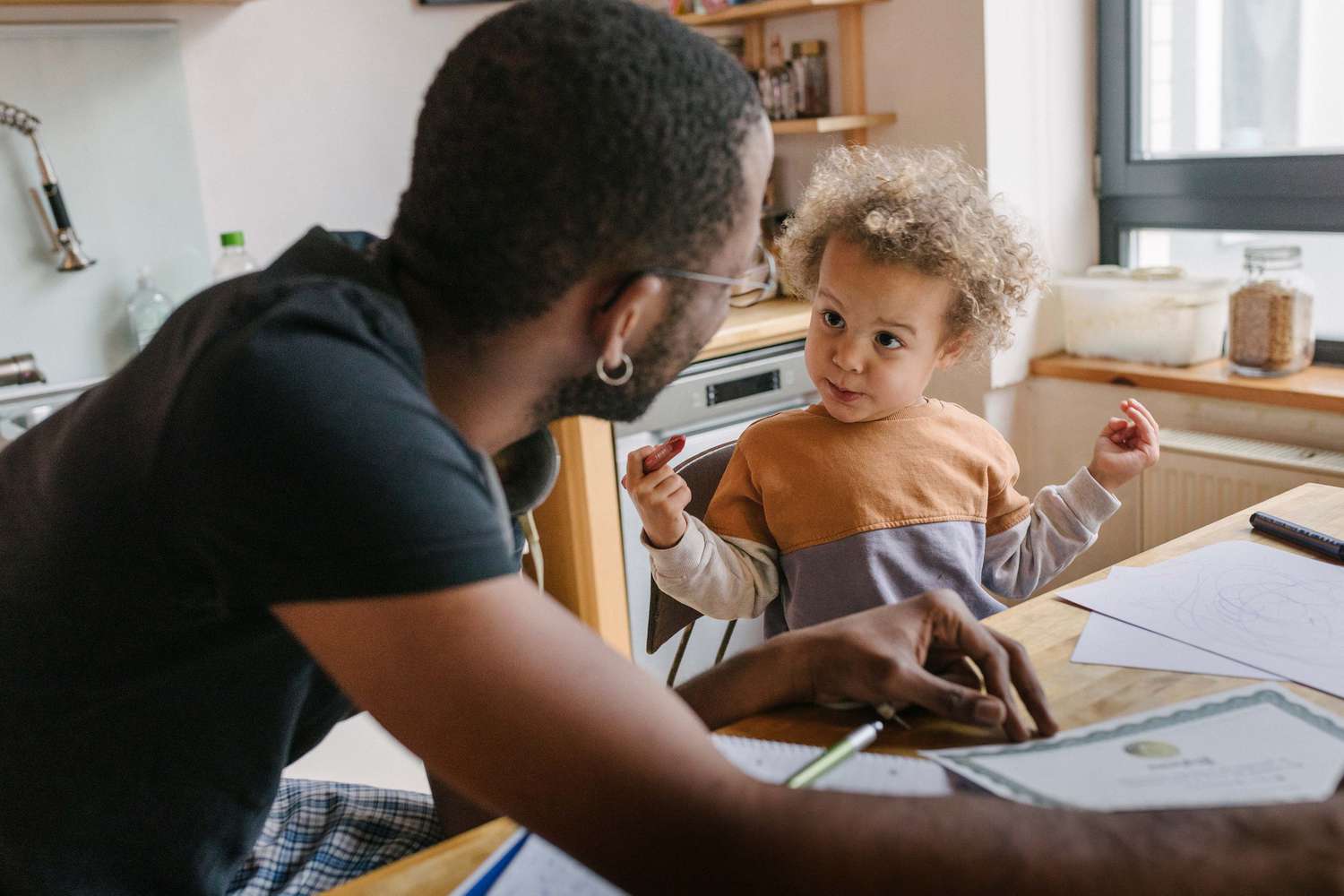
Parallel talk with toddlers means putting words to what your child is doing. If your toddler rolls a car, you might say, "The car is going under the chair." You follow their attention rather than directing a new activity or asking them to name everything.
Keep comments short and connected to the actual play. "You are stacking blocks" gives words to an action your toddler can see. Pause afterward so the exchange has room for a look, gesture, sound or word.
Avoid narrating continuously. Too much adult talk can crowd out the child's contribution and make a relaxed moment feel like a performance.
Use the languages you speak comfortably. Choose words that fit your family rather than copying a formal teaching script.
If your toddler switches from the car to a book, let your words follow the new interest. You do not need to finish describing the car. A comment can invite conversation without demanding a correct answer.
Ask your daycare teacher what actions and words currently interest your child. A shared topic can make home conversations more connected to the classroom day.
You offer language about the child's activity without requiring a response. Questions can still be useful, but the interaction does not depend on a toddler answering them.
Continue treating the moment as communication, not a repetition exercise. Discuss concerns about language development with your pediatrician rather than using a play technique as a test.
Explore the Children’s Land toddler program to connect these ideas with group care. You can find a Chicagoland location and ask how the current classroom supports everyday play, communication and routines.
Related reading: Encouraging Speech Development in Toddlers: Tips and Activities.


