Article made by:

What Should a 3-Year-Old Know? Milestones and Learning

Early Pre-school
Article made by:
Early Pre-school
Updated November 2026.
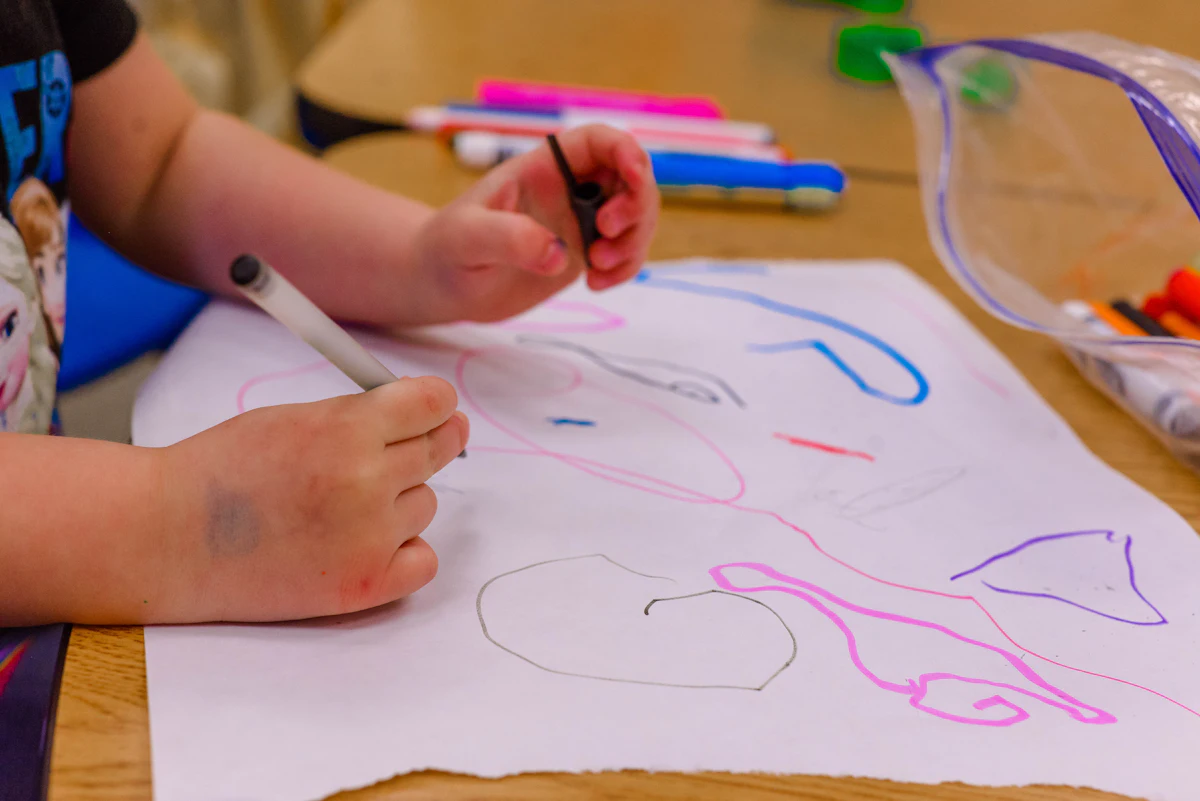
A 3-year-old doesn't need to know letters or numbers yet. Most 3-year-olds talk in conversations of at least two back-and-forth turns, ask "who, what, where and why" questions, say their first name, draw a circle when shown how, use a fork and join other children in play. They also calm down within about 10 minutes after a parent leaves, like at daycare drop-off.
Below are the CDC milestones, what early learning looks like at this age, and when to talk with your doctor.
The CDC milestone checklist for 3 years lists what 75% or more of children do by age 3:
| Area | Most children by 3 years |
|---|---|
| Social and emotional | Calms down within 10 minutes after you leave, like at a childcare drop-off; notices other children and joins them to play |
| Language | Talks with you using at least two back-and-forth exchanges; asks "who," "what," "where" or "why" questions; says what's happening in a picture, like "running"; says first name when asked; talks well enough for others to understand most of the time |
| Thinking | Draws a circle when you show how; avoids touching hot objects when warned |
| Movement | Strings items together, like large beads or macaroni; puts on some clothes alone, like loose pants or a jacket; uses a fork |
Less than many parents think. Naming a few colors is on the CDC checklist at age 4. Counting to 10 and naming some letters come at 5. At 3, the skills that matter most for later school are talking, listening, playing with others, following simple directions and using their hands.
Some 3-year-olds sing the alphabet song, count a few objects or know some colors. That's great, and it isn't expected. Pushing flash cards at 3 rarely helps. Everyday talk, books and play build the base for reading and math.
The Illinois Early Learning and Development Standards describe what Illinois preschool programs work on with 3- to 5-year-olds, including language, early literacy, math, science and social skills. At 3, that looks like:
Three-year-olds start to play with other children, where before they mostly played side by side. They take turns with help, play pretend games together and may name a best friend. Big feelings still come out as tears or tantrums. The CDC suggests naming feelings and teaching calming steps, such as deep breaths or a quiet spot.
The milestone about calming within 10 minutes after drop-off is useful for daycare families. A few tears at goodbye are normal. Crying that goes on much longer, every day, is worth discussing with teachers. See How to Handle Preschool Drop-Off Tears Like a Pro.
A 3-year-old classroom follows a daily routine of circle time, centers, art, outdoor play, lunch and rest. In Illinois, licensed centers can have one teacher for every 10 three-year-olds, with up to 20 in a group, under the Illinois licensing rules. Children practice self-help skills like hanging up a coat, washing hands and serving food. See Preschool Schedule for 3- and 4-Year-Olds: A Sample Day.
Talk with your pediatrician if your child is hard for others to understand most of the time, doesn't join other children in play, doesn't use short sentences, or has lost skills. From age 3, your school district handles free developmental evaluations through Child Find. See Free Preschool Screening in Illinois: How Child Find Works.
Not much in formal academics. At 3, talking, listening, playing with others and using their hands matter most. Colors are a 4-year milestone, and counting to 10 comes at 5.
It isn't expected. Some 3-year-olds sing the alphabet song or know letters in their name, and that's fine either way.
The CDC focuses on how they talk: conversations with at least two back-and-forth turns, questions, and speech others understand most of the time.
Yes. The CDC milestone is calming down within about 10 minutes after a parent leaves.
Our Independence Journey Program is for children from 3 to 4 years old, and field trips start in this program. Every location offers music and art, and children play outdoors daily when weather allows. Ask your location's director about the daily schedule. Find a location or contact us.
Related reading: What Should a 4-Year-Old Know? Milestones and Pre-K Skills.


