Article made by:

How to Hold a Pencil: Grip Stages Before Kindergarten

Early Kindergarten
Article made by:
Early Kindergarten
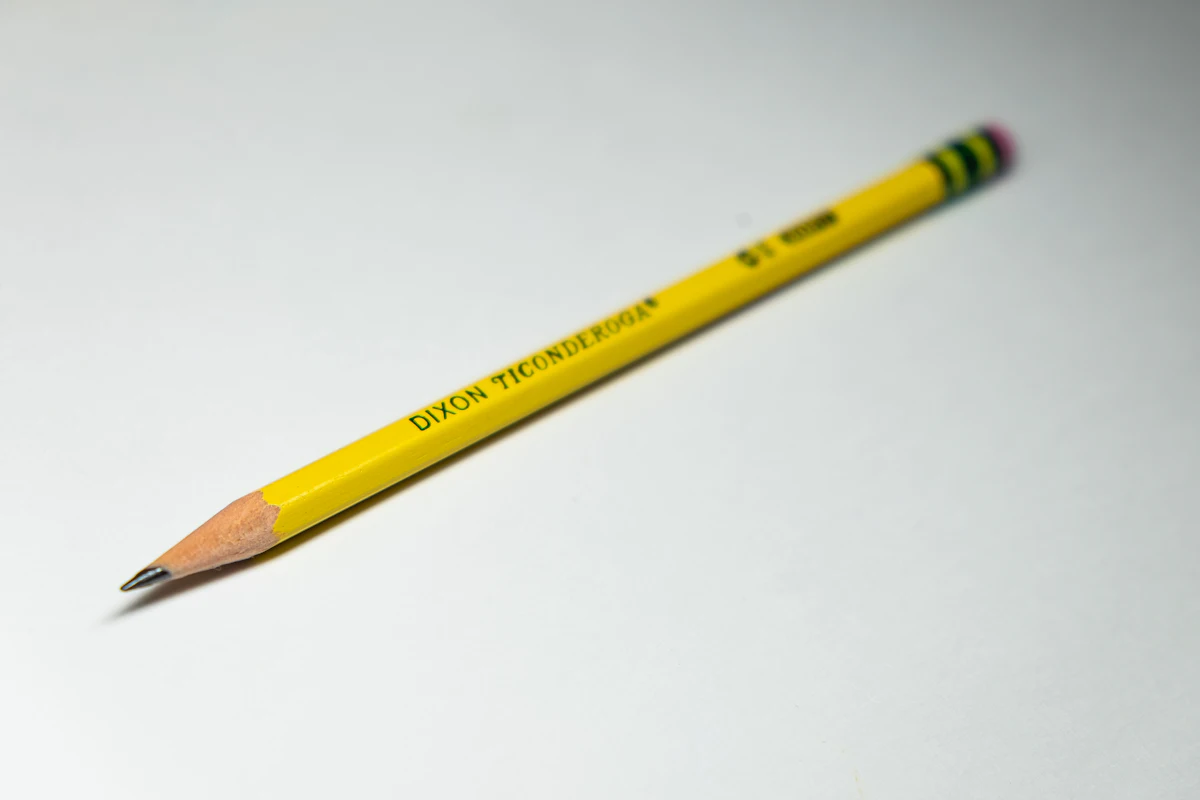
Updated November 2026.
Children don't start with a mature pencil grip. They move through stages: a fist around age 1 to 2, fingers pointing down with the palm facing the paper around 2 to 3, then a three- or four-finger grip between about 3½ and 4, which becomes a moving, controlled grip by around 5 or 6. By 4, the CDC says most children hold a crayon between fingers and thumb, and that's the main thing to look for before kindergarten.
Occupational therapists describe grip in stages. Ages vary by source and by child, so use these as rough guides.
| Stage | Rough age | What it looks like |
|---|---|---|
| Fisted grip (palmar supinate) | 1 to 2 years | Crayon held in a fist like a dagger, scribbling with the whole arm |
| Fingers-down grip (digital pronate) | 2 to 3 years | All fingers on the crayon, palm facing the paper, moving from the elbow |
| Still tripod or quadrupod | About 3½ to 4 years | Thumb and two or three fingers hold the pencil, but the hand moves as one unit from the wrist |
| Moving tripod (dynamic tripod) | About 4½ to 6 years | Thumb, index and middle finger hold the pencil, and the fingers make the small movements |
The children's occupational therapy team at Aneurin Bevan University Health Board in Wales notes that most children master the tripod grip by age 6 or 7, so there's no need to worry about a mature grip in preschool.
Not as much as you might expect. A 2012 study in the American Journal of Occupational Therapy filmed 120 fourth graders while they wrote. Children who used a mature four-finger grip or a variation of the tripod wrote just as fast and as legibly as those using the classic three-finger grip. The authors concluded that grip patterns other than the dynamic tripod can work well for handwriting.
What matters more is that your child holds the pencil with fingers and thumb, can control it, and doesn't get tired or sore quickly.
A simple trick is "pinch, flip." Lay the pencil on the table pointing at your child. They pinch it near the tip, then flip it back into position.
Avoid forcing a grip on a 3-year-old. Hands need strength and control first. See Fine Motor Skills by Age: 2, 3 and 4-Year-Olds.
Rubber grips and triangular pencils help some children, especially those who squeeze hard or wrap the thumb over the fingers. They aren't needed for most preschoolers. If your child is 5 or older and still uses a fist, or complains that writing hurts, ask the teacher or an occupational therapist.
Hand preference usually settles by about 4. Don't switch a left-handed child to the right. Tilt the paper to the right for a lefty, and have them hold the pencil a little farther from the tip so they can see what they write.
Talk with your child's teacher, pediatrician or an occupational therapist if your child still holds crayons in a fist after age 4, avoids drawing because it's hard, tires quickly, presses so hard the paper tears, or switches hands often after 5. Your school district offers free screening for children 3 to 5. See Free Preschool Screening in Illinois: How Child Find Works.
By 4, most children hold a crayon between fingers and thumb. A mature, moving tripod grip usually develops between about 4½ and 6, and many children master it by 6 or 7.
Not necessarily. A 2012 study found that fourth graders using mature four-finger grips wrote as fast and legibly as those using the classic tripod grip.
Use short crayons, draw on an easel and try the "pinch, flip" trick. Build finger strength with playdough, tongs and stickers.
Not yet for most. Many 3-year-olds still use a fingers-down grip, and that is normal.
In our I Am Me Program for children from 4 to 5 years old, art and hands-on play are part of every day, and every location offers music and art. Ask your location's director how teachers help children get ready for kindergarten. Find a location or contact us.
Related reading: Kindergarten Sight Words: List and How to Practice.


