Article made by:

Pinworms and Daycare: Treatment and Return

Pre-school
Article made by:
Pre-school
Updated November 2026.
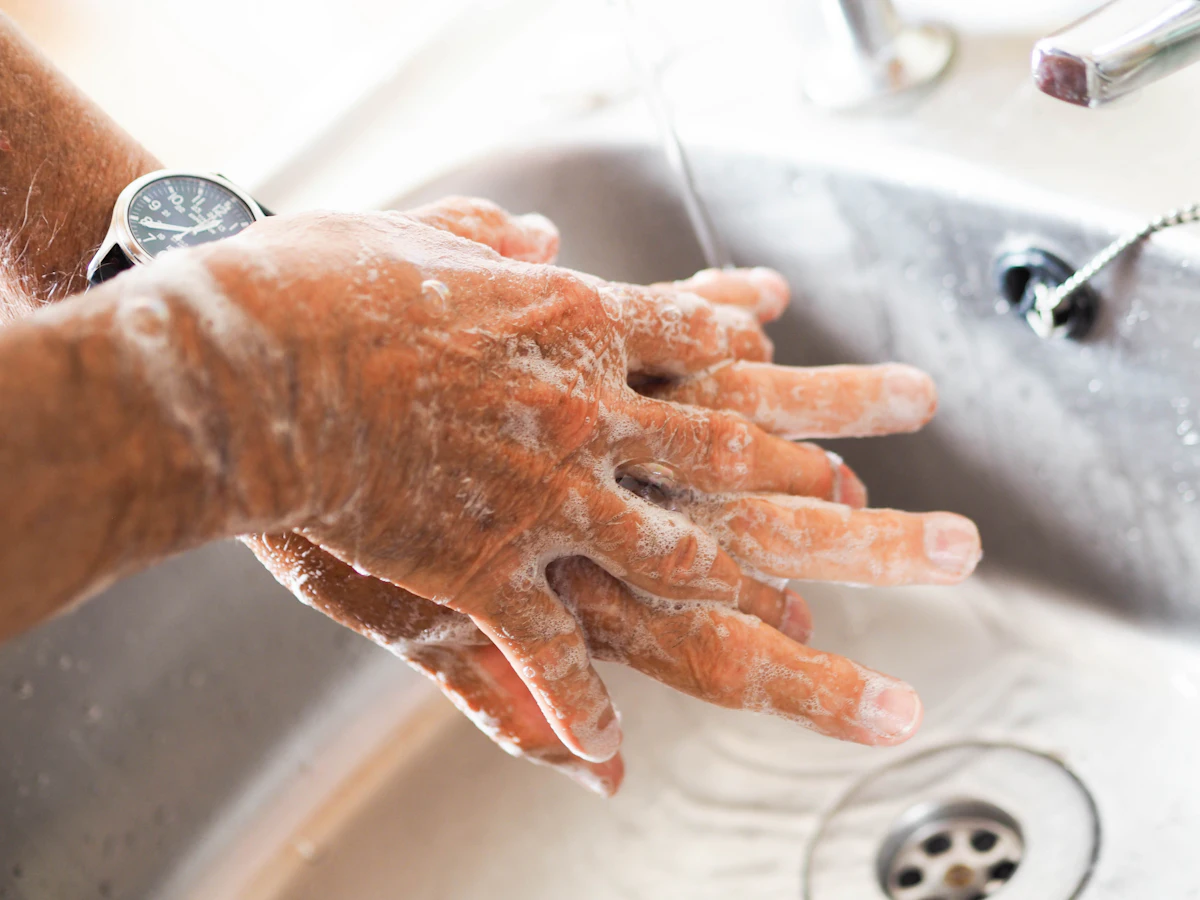
Children with pinworms don't need to stay home from daycare. State child care health guidance based on the American Academy of Pediatrics, such as North Dakota's pinworm fact sheet, says children with pinworms shouldn't be excluded unless they have another reason to stay home, and the Illinois child care licensing rules don't list pinworms as a reason to keep a child home. Treat your child and everyone in the household at the same time, give the second dose two weeks later, and step up handwashing.
Pinworms are tiny, thin, white worms about the size of a staple. The CDC calls them the most common worm infection in the United States. They're most common in preschool and school-age children and spread easily in child care settings and families.
Pinworms are a nuisance, not a danger. They don't mean your home is dirty, and they don't come from pets. The Missouri health department notes that people only get pinworms from other people.
The main sign is itching around the bottom, usually worse at night. The CDC says some children have trouble sleeping, belly pain or, in girls, vaginal itching. Many children have no symptoms at all. Scratching can break the skin and lead to a skin infection.
You may also see the worms. They look like small pieces of white thread around the anus, especially 2 to 3 hours after your child falls asleep.
Female worms lay eggs on the skin around the anus at night. When a child scratches, the eggs get on fingers and under nails, then onto toys, bedding, clothing and food. Another person swallows the eggs after touching those things and then their mouth. The CDC says eggs can survive 2 to 3 weeks on surfaces that aren't cleaned.
That's why pinworms pass around a family or classroom, and why reinfection is common.
Your doctor may ask you to do a tape test. First thing in the morning, before bathing or using the toilet, press clear tape against the skin around your child's anus, then stick it to a slide or bag the doctor gives you. Repeating it on three mornings improves the chance of finding eggs. You can also look for worms with a flashlight a few hours after your child falls asleep.
Pinworm medicine comes over the counter and by prescription. The CDC says treatment is two doses, two weeks apart. The first dose kills the worms but not the eggs, and the second dose kills worms that hatch afterward. Everyone in the household and the child's caregivers should be treated at the same time.
Ask your pediatrician before treating a child under 2, or anyone who is pregnant.
Let the director know. The AAP guidance asks programs to alert families and staff who may have been exposed and to focus on handwashing. You don't need to share your child's name with other families. If several children in a room have pinworms, it's worth treating everyone at the same time, since reinfection from classmates is common.
Yes. The AAP says children with pinworms don't need to be excluded, and Illinois licensing rules don't list pinworms as a reason to stay home.
Yes. The CDC says everyone in the household and the child's caregivers should be treated at the same time, with a second dose two weeks later.
About 2 to 3 weeks, according to the CDC, if the surfaces aren't cleaned.
No. People only get pinworms from other people.
Our staff meet or exceed Illinois training requirements and attend workshops every year. Tell your location's director if your child has pinworms so teachers can watch for symptoms and focus on handwashing. Find a location or contact us.
Related reading: Stomach Bug and Daycare: Policy and When Kids Can Go Back.


